Risk Calculators
Resources
Educational only, not medical advice.
At-Home Herpes Testing: Your Options in 2026
At-home herpes testing is more accessible than ever, but it is also easy to buy the wrong test for your situation. Below is a practical, 2026-updated guide to the main test types, the best use cases, and several reputable ways people typically test without a traditional doctor visit.
There are two “real” ways herpes is diagnosed:
- Swab testing of a lesion (best when you have symptoms right now)
- Type-specific blood testing (best when you do not currently have a lesion, or you are trying to understand past exposure)
The CDC generally recommends herpes testing when you have symptoms, rather than routine screening for everyone. And the USPSTF recommends against routine blood screening for herpes in asymptomatic people, largely because false positives can do harm.
That does not mean testing is “bad”. It means you want to test for the right reason, at the right time, with the right method, and interpret results with the limitations in mind.

📹 Video: How to Use an At-Home STD Test Kit
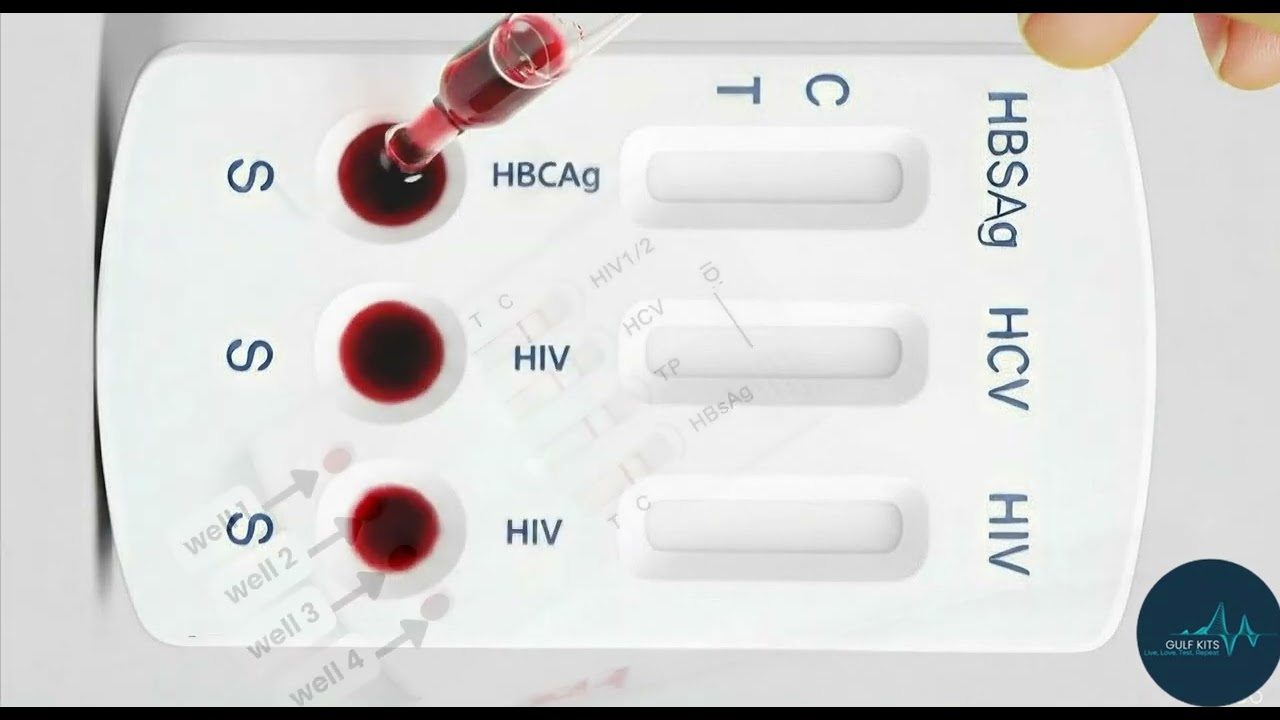
▶ Watch: How to Use an At-Home STD Test Kit — Opens on YouTube
Comparison based on typical 2026 at-home testing service offerings. Always verify current assay type (IgG vs IgM), included HSV types, and confirmatory policies with the provider.
Best At-Home Herpes Testing Options (Practical Shortlist)
Below are common “2026-style” pathways people use. Some are true home collection (mail-in fingerprick or swab). Others are direct-to-consumer lab orders (you go to a Labcorp/Quest location, no doctor visit needed).
Option A: True at-home blood collection (fingerprick mail-in)
LetsGetChecked – Home Herpes Test (HSV-1 & HSV-2 antibodies)
- Fingerprick blood sample collected at home; checks HSV-1 + HSV-2 antibodies
- Good if you want both types in one kit.
- Caveat: make sure the product is type-specific IgG. Avoid “IgM herpes tests” when possible, because IgM is not recommended for routine HSV diagnosis due to poor specificity.
myLAB Box – Home Herpes Test (HSV-2 antibody)
- Mail-in blood spot style testing; marketed as HSV-2 antibody testing and priced around $89 on their product page
- If you specifically need HSV-1 and HSV-2, confirm what the kit includes before buying.
- Caveat: if you are testing due to a recent exposure, consider timing (many people need a repeat test around 12 weeks for a more reliable antibody result).
Option B: True at-home lesion swab (mail-in PCR)
Wisp – HSV Swab Home Test
- At-home swab kit marketed for HSV-1 & HSV-2, “swab and ship” style
- Most useful when you have active symptoms.
- Tip: swab as early as possible in the outbreak (fresh blister/ulcer typically yields better detection than a dry scab).
MicroGenDX – HSV PCR panel (self-collect oral/genital swab)
- Self-collect swab with PCR/qPCR positioning
- Useful if you want a PCR-style answer from a home swab workflow.
- Caveat: PCR is excellent for lesions, but if you do not have a lesion, a negative swab does not rule out HSV infection.
Option C: “No doctor visit” lab testing (you go to a local lab draw site)
If you want a mainstream lab’s assay and logistics (and you are fine going in-person for a blood draw):
Labcorp OnDemand – Herpes antibody test (HSV-1 & HSV-2 IgG)
- Direct purchase; lists HSV-1 & HSV-2 IgG and shows a consumer price (e.g., $149 on the product page)
- Caveat: ask how “equivocal” and low-positive results are handled, and what confirmatory options are available.
Quest Health – HSV-1 & HSV-2 test
- Direct-to-consumer ordering for HSV-1/HSV-2
- Quest also discusses confirmatory pathways (e.g., inhibition assay) when HSV-2 IgG results are low/ambiguous.
How to Choose the Right Test (Quick Decision Guide)
If you have a sore/ulcer/blister today:
Choose a swab PCR option (home swab PCR or a clinic swab). This is typically the most direct way to confirm what is causing that lesion. If you can access care quickly, swabbing in a clinic can also help ensure good sampling and appropriate evaluation for other causes (for example, syphilis testing if indicated).
If you do not have symptoms but want to know your status:
Choose a type-specific IgG blood test (ideally HSV-1 and HSV-2). If the exposure was recent, consider waiting and/or retesting. CDC notes repeating at about 12 weeks after suspected acquisition can be appropriate.
If you receive a low-positive HSV-2 IgG result:
Do not panic. This is where false positives are common. CDC recommends confirmatory testing with a second method (for example, Biokit or Western blot) for low index values. The FDA similarly warns false reactive results can occur, especially in lower-risk people or near cutoff values. If confirmation is not available through the service you used, consider discussing next steps with a clinician or a lab that offers a confirmatory pathway.
Advantages of At-Home Testing
- Convenience (no scheduling a clinic visit)
- Privacy
- Results usually within days (varies by service and shipping time)
- Often affordable compared with some in-office pathways
- Some options do not require a traditional doctor appointment to order
Important Considerations (Read This Before You Buy)
1) Timing after exposure is everything
Blood tests detect antibodies, not the virus itself. Testing too early can miss infection. CDC discusses repeating type-specific testing at about 12 weeks when recent acquisition is suspected. If your exposure was very recent and you have symptoms, prioritize a swab PCR.
2) HSV blood tests cannot tell you where you have it
An HSV-1 positive blood test does not tell you whether it is oral vs genital, only that you have been exposed at some point. Many HSV-1 infections are oral and acquired in childhood, often without noticeable symptoms.
3) Low-positive HSV-2 results deserve confirmation
This is the biggest “gotcha” in herpes testing in 2026. CDC explicitly highlights false positives at low index values and recommends confirmation with a second method. If your result is in a low-positive range, interpretation should consider your risk level, symptoms, and whether a confirmatory assay is available.
4) Routine screening is not universally recommended
CDC focuses testing on people with symptoms, and USPSTF recommends against routine serologic screening in asymptomatic adolescents/adults. So a good reason to test is usually: symptoms, a partner with known HSV, pregnancy-related counseling questions, or a specific clinical question, not “just because.”
5) “Negative” does not always mean “no HSV”
A negative IgG test can reflect a too-early test (before antibodies develop). A negative PCR swab can happen if the lesion is healing, was not swabbed well, or if the cause is something else. If symptoms continue or recur, retesting early in the next episode is often more informative.
What to Do With Your Results
- Positive swab PCR: strongly suggests HSV is present at that site. Discuss treatment options (episodic vs suppressive antivirals), symptom relief, and transmission reduction with a clinician.
- Negative swab PCR but symptoms persist: consider re-swabbing early in the next outbreak and discuss alternate causes (yeast, dermatitis, aphthous ulcers, bacterial infections, syphilis, and others depending on anatomy and risk).
- Positive HSV-2 IgG (especially low-positive): consider confirmatory testing (second method) before you emotionally “cement” the diagnosis. If confirmed, ask about partner notification, disclosure, and prevention strategies.
- Positive HSV-1 IgG: very common; interpret in context of symptoms and history. If you have recurrent genital symptoms, a lesion PCR during an episode can clarify whether HSV-1 is the cause and the site involved.
Want to understand your personal risk? Use our HSV-1 calculator or HSV-2 calculator to explore scenarios based on your actual situation.
Check Your Risk
Use our evidence-based calculators to estimate your personal STD risk.