
HSV-1 and HSV-2: What's the Difference?
Both are herpes simplex viruses that establish lifelong infection in nerve cells and can reactivate later. The practical differences are mostly about:
- Where each type usually shows up
- How often it tends to recur
- How likely it is to shed/transmit over time
- What a positive blood test usually means
WHO estimates HSV is extremely common worldwide: ~3.8B people under 50 have HSV-1 and ~520M ages 15–49 have HSV-2.
Basic Differences (The Pattern—With the 2026 Update)
HSV-1 (traditionally "oral herpes")
- Historically most associated with cold sores (oral herpes)
- Often acquired through nonsexual contact in childhood (saliva/skin contact)
- Can cause genital herpes—especially via oral sex (genital HSV-1 has become more common in many places)
HSV-2 (traditionally "genital herpes")
- More strongly associated with genital infection
- Most commonly acquired through sexual contact
- More likely than HSV-1 to cause frequent genital recurrences and ongoing genital shedding over time
Key truth: Either virus can infect either location. CDC explicitly notes that HSV-1 can cause genital herpes and HSV-2 can infect the mouth, even though the "typical" pattern still holds.
Transmission Routes (How Each Type Usually Spreads)
HSV-1 Transmission
Most commonly spreads through:
- Kissing / oral contact
- Contact with saliva or skin around the mouth
- Contact with cold sores (but it can transmit even without visible sores due to asymptomatic shedding)
HSV-1 can also spread mouth-to-genitals through oral sex—this is a major reason genital HSV-1 exists.
HSV-2 Transmission
Most commonly spreads through:
- Sexual contact involving genital skin/mucosa (vaginal, anal, and sometimes oral)
- It can transmit even when no sores are present (asymptomatic shedding is part of HSV biology)

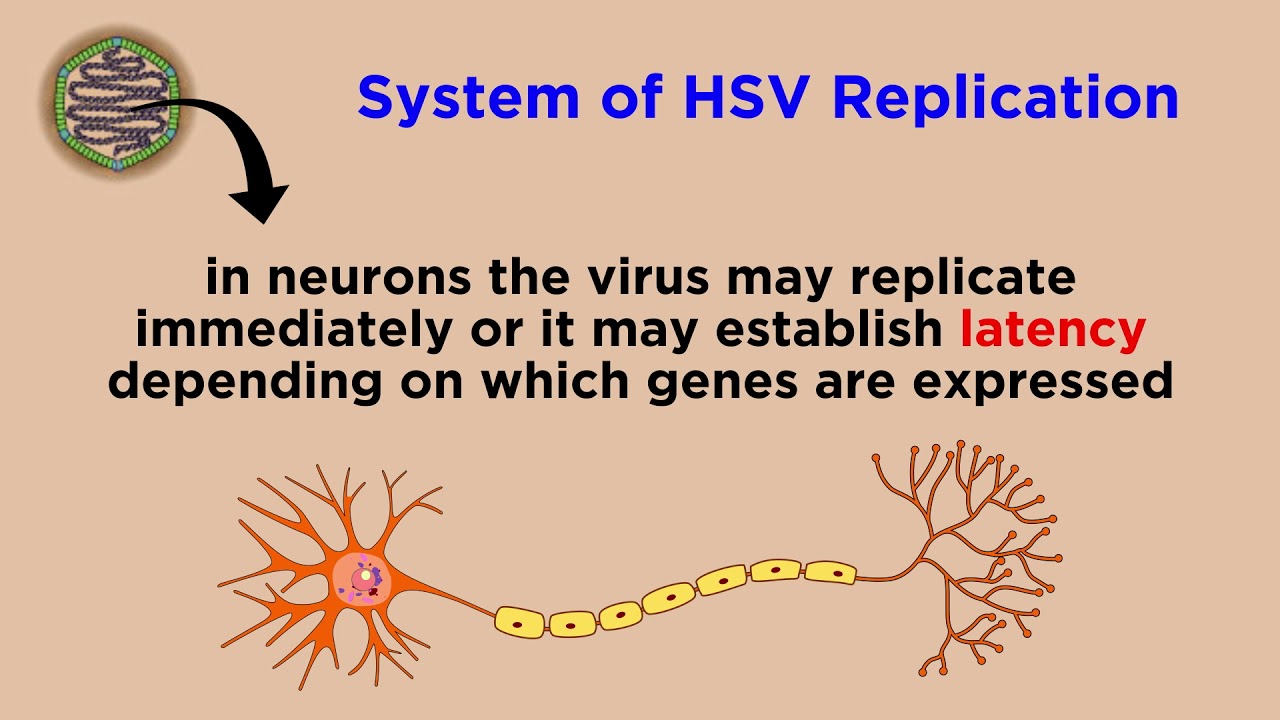
📹 Video: HSV-1 and HSV-2 Explained
▶ Opens on YouTube
Recurrence Rates: The Biggest "Lived Experience" Difference
This is where HSV-1 vs HSV-2 often feels most different in real life.
Genital HSV-2 tends to recur more
Classic research found recurrence frequency highest for genital HSV-2 compared to other sites/types, with an average around 0.33 recurrences per month (~4 per year).
Many clinicians commonly describe ranges like "several per year," especially in the first year.
Genital HSV-1 tends to recur less
CDC states that recurrences are less frequent after the first episode of HSV-1 genital herpes compared with HSV-2, and genital shedding decreases rapidly in the first year.
Widely cited research reports genital HSV-1 recurrence rates around ~1.3 per year in the first year and ~0.7 per year in the second year.
Translation: If someone says "I have genital HSV-1 and I basically never get outbreaks," that's very plausible. If someone with HSV-2 says "it comes back a lot," that's also plausible—especially early on.
Symptoms and Health Implications
What's similar
Both types can cause:
- Painful blisters/ulcers
- Tingling/burning "prodrome"
- Recurrent episodes
- Asymptomatic infection (many people don't know they have it)
What's different (mostly context)
- HSV-2 is more strongly linked with genital infection and tends to recur more there.
- HSV-1 is the main cause of oral herpes globally, but is also a major cause of genital herpes via oral sex.
Pregnancy note: Any new genital herpes infection late in pregnancy can be serious for neonatal risk—this is a "talk to your OB" situation, not a DIY-internet situation.
Testing Differences: What a Positive Result Usually Means
If you have a lesion/outbreak
A swab (often PCR) of a fresh lesion can tell you:
- Is it HSV?
- Is it HSV-1 or HSV-2?
If you do a blood test (IgG antibodies)
Blood tests don't tell you the infection site (oral vs genital). They only tell you exposure:
- HSV-1 IgG positive could be oral, genital, or both
- HSV-2 IgG positive is more suggestive of genital infection (though not perfect)
Treatment and Management: Similar Tools, Different Goals
There's no cure, but antivirals can:
- Shorten outbreaks
- Reduce frequency
- Lower transmission risk (especially studied for HSV-2 in discordant couples)
Because genital HSV-1 tends to recur and shed less, some people with HSV-1 don't need (or choose) daily suppressive therapy the way some HSV-2 patients do.
HSV-1 vs HSV-2: Quick Visual Comparison
| Feature | HSV-1 | HSV-2 |
|---|---|---|
| Most common site | 🗣 Mouth (cold sores) | Genitals |
| Can infect other site? | ✓ Yes (genital HSV-1 via oral sex) | ✓ Yes (rare oral HSV-2) |
| Global prevalence | ~64% under age 50 | ~13% ages 15–49 |
| Genital recurrences | 🔸 Less frequent (~0.7–1.3/yr) | 🔴 More frequent (~4/yr) |
| How commonly acquired | Often in childhood via saliva/kissing | Usually via sexual contact |
| Suppressive therapy | Less commonly needed for genital HSV-1 | Often used for frequent recurrences |
HSV-1 and HSV-2 comparison based on CDC, WHO, and peer-reviewed clinical data.
The Takeaway
HSV-1 and HSV-2 aren't "good herpes vs bad herpes." They're two flavors of a very human virus that spreads easily, hides in nerves, and occasionally pops back up.
The real difference most people feel is recurrence and location—not morality, not cleanliness, not worth.
Want to understand which type you might have or how it could affect you? Try our HSV calculators above to explore your specific risk profile.
Check Your Risk
Use our evidence-based calculators to estimate your personal herpes risk.
HSV-1 Calculator HSV-2 Calculator