
Moving Beyond Herpes Stigma: A Cultural Shift
Herpes stigma is one of the weirdest mismatches in modern health culture: a virus that's extremely common—often mild or even symptom-free—somehow still carries "scarlet letter" energy.
That disconnect is exactly why the stigma hurts so much. For many people, herpes isn't primarily a medical problem. It's a social and emotional one.
In 2026, the cultural needle is moving. Not fast enough, but it's moving:
- More people are talking openly about sexual health online (without the moral panic)
- More clinicians emphasize that herpes is manageable and that test results—especially blood tests—need careful interpretation
- More couples treat STI conversations like normal relationship hygiene, not a confession
And the numbers force reality: HSV is everywhere. The World Health Organization estimates 3.8 billion people under 50 have HSV-1 and about 520 million people aged 15–49 have HSV-2.
If you're living with herpes, you're not an outlier. You're in the human majority.
The Reality of Stigma
People with herpes commonly describe:
- Shame ("I feel dirty / ruined")
- Fear of rejection (dating anxiety, avoidance, panic before disclosure)
- Hypervigilance (interpreting normal sensations as symptoms)
- A sense of secrecy that can feel heavier than the condition itself
This psychological load is real—and it's amplified by how people talk about herpes: jokes, disgust language, and the idea that it's uniquely "bad," even among STIs.
Why Does Herpes Carry Such Stigma?
1) The "scarlet letter" era of messaging
A big piece of herpes stigma was culturally manufactured in the late 20th century. The iconic example is the 1982 TIME cover story framing herpes as "The New Scarlet Letter." That framing didn't just inform people—it taught them what they were supposed to feel.
2) The sexual association (and moral baggage)
Because genital herpes is sexually transmitted, people attach morality to it: "careless," "promiscuous," "reckless." That's stigma doing what it does—turning a health condition into a character judgment.
3) Anxiety about visible symptoms
Even though many infections are asymptomatic or mild, the idea of outbreaks triggers fear: "What if someone sees?" Visibility increases stigma, even when the medical risk is manageable.
4) Testing confusion and "false positive" fear
Herpes blood tests can be tricky—especially HSV-2 serology in low-risk people or results near the cutoff. The FDA has warned that HSV-2 serologic tests can produce false reactive (false positive) results under certain conditions, which can cause unnecessary distress.
That uncertainty itself becomes part of stigma: people feel trapped between doubt and identity-level panic.
5) Lazy media + punchline culture
Herpes has been used as a shorthand joke for decades—easy laugh, big harm. Repeated enough, it becomes "common knowledge" that herpes is uniquely disgusting. It isn't.
💡 The Numbers That Fight Stigma
Source: WHO Global Health Estimates
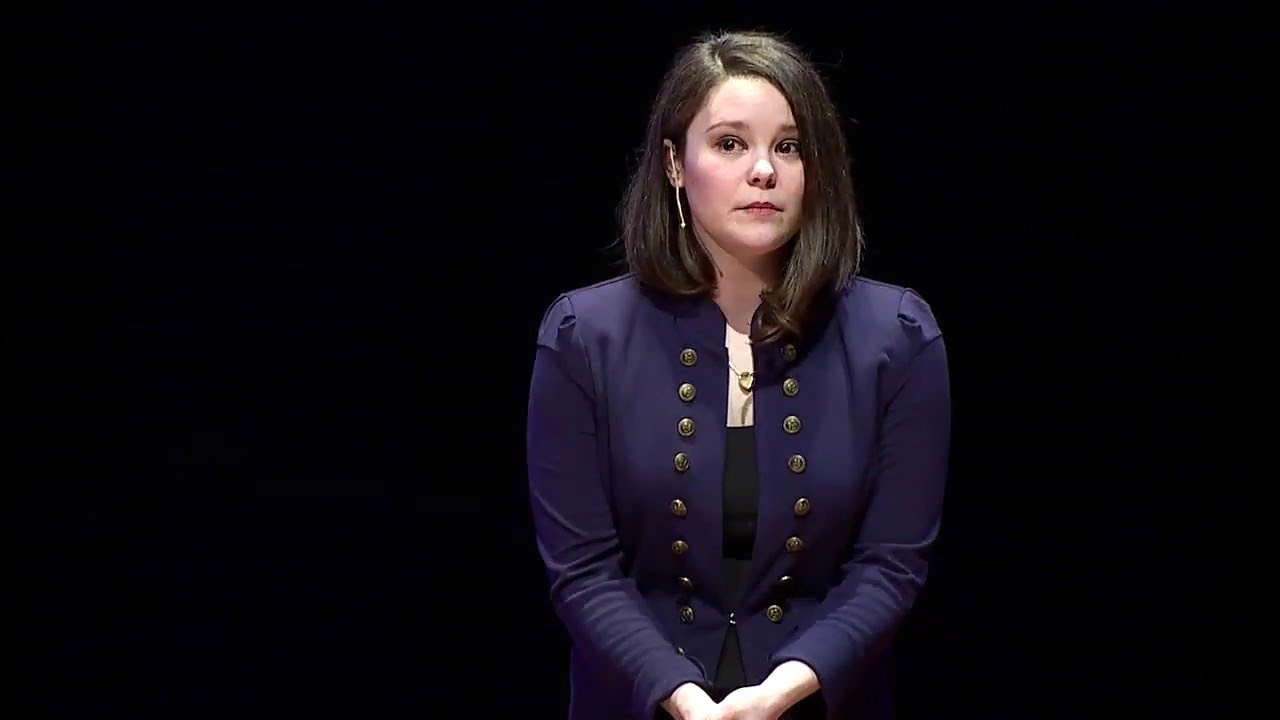
📹 TEDx Talk: STIs Aren't a Consequence — They're Inevitable
▶ Opens on YouTube
Changing the Narrative in 2026
Normalize the facts (without minimizing anyone's feelings)
Two things can be true at once:
- Herpes is common and medically manageable for most people
- The stigma is emotionally brutal and deserves to be taken seriously
Treat herpes like a health status, not a verdict
It's closer to "I manage a chronic virus" than "I'm permanently undesirable." That sounds cheesy, but it's the actual mental shift people report as life-changing.
Healthcare messaging is getting sharper
Many clinicians now emphasize:
- Testing should match the situation (symptoms vs no symptoms)
- Results—especially blood tests—should be interpreted carefully
- People deserve counseling that reduces panic, not amplifies it
If You Have Herpes: What You Deserve to Hear
You are not alone. Not even close. WHO estimates put HSV infections in the hundreds of millions to billions, depending on type.
You can have:
- Fulfilling relationships
- A normal sex life
- Trust, romance, and long-term partnership
- Partners who genuinely do not see you as "less than"
Herpes does not disqualify you from love. Stigma tries to convince you it does.

Healthy, fulfilling relationships are entirely possible when living with HSV. Open communication is the foundation.
Disclosure Without the Doom Spiral (Practical Version)
You don't need a dramatic confession. Aim for calm, honest, and specific:
- Pick a moment before sex, not in the heat of it
- Keep it factual: what you have, how you manage it, what risk-reduction looks like
- Give space for questions and emotions without assuming rejection
A simple script:
"I want to share something health-related because I respect you. I have herpes. It's common and manageable, and I take steps to reduce risk. I'm happy to talk through what that means and answer anything."
The tone matters more than perfect wording: if you deliver it like a death sentence, it will feel like one.
How to Help End Stigma (Even If You Don't Have Herpes)
- Don't use "herpes" as a punchline
- Correct misinformation gently ("It's actually really common.")
- Don't treat STI status as a moral scorecard
- Support better sex ed and responsible testing conversations
Stigma doesn't survive sunlight. It survives silence.
Try our herpes risk calculator above to understand your own baseline—knowledge and understanding are the best antidotes to fear and stigma.
Check Your Risk
Use our evidence-based calculators to estimate your personal herpes risk.
HSV-1 Calculator HSV-2 Calculator