
Understanding Herpes Prevalence in 2026
HSV remains one of the most widespread viral infections on Earth. WHO's latest estimates:
- HSV-1: ~3.8 billion people under 50 globally (64%)
- HSV-2: ~520 million people ages 15–49 globally (13%)
But here's the bigger number: WHO estimates ~846 million people ages 15–49 are living with genital herpes infections (including both genital HSV-2 and genital HSV-1).
So when people say "genital herpes is common," that's not spin. That's epidemiology.
Global Prevalence Rates (What's true worldwide)
HSV-1 (mostly oral, sometimes genital)
- WHO currently estimates 64% of the global population under 50 has HSV-1
- HSV-1 is still extremely widespread globally, but exact estimates shift as surveillance improves
HSV-2 (more often genital)
- WHO estimates 13% of people ages 15–49 worldwide have HSV-2
- Peer-reviewed global modeling aligns with this ~13% figure, with higher rates in some regions and higher prevalence among women
U.S. HSV Prevalence (Ages 14-49)
Source: CDC/NCHS NHANES 2015-2016
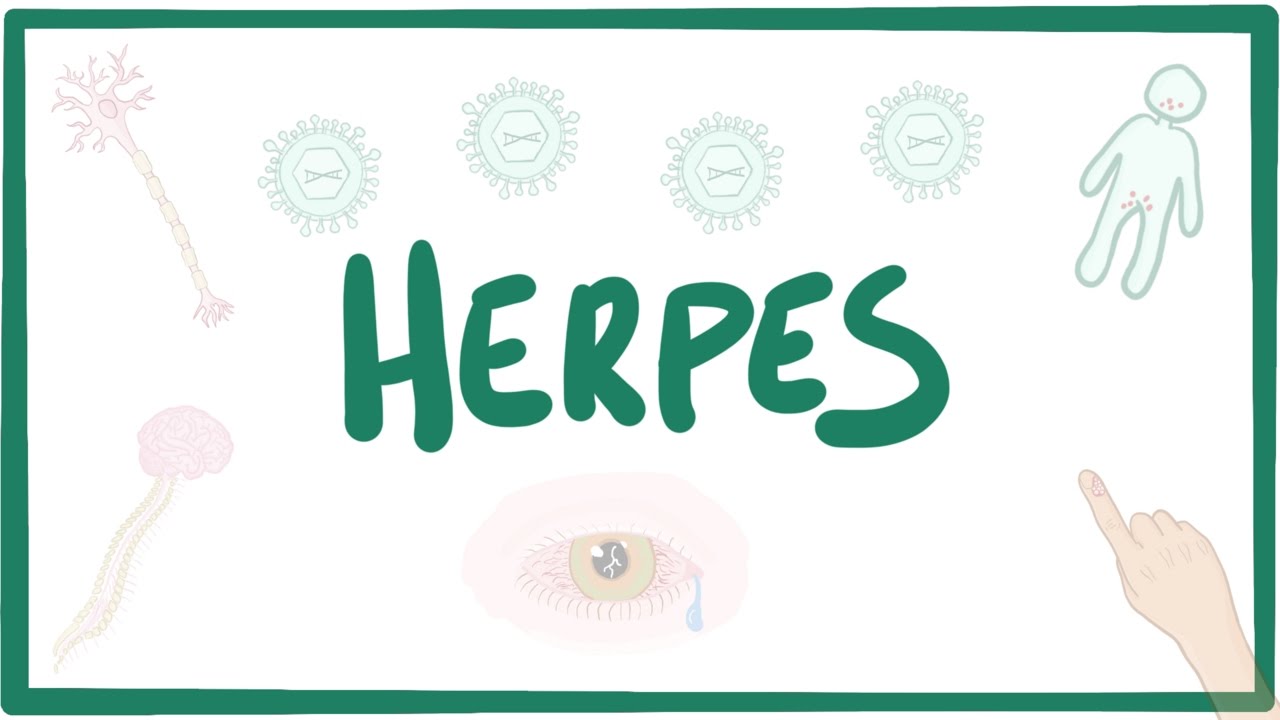
📹 Video: Herpes — Causes, Symptoms & Pathology
▶ Opens on YouTube
U.S. Prevalence (What the numbers look like in America)
The most commonly cited U.S. numbers come from NHANES (National Health and Nutrition Examination Survey), which includes HSV antibody testing.
For ages 14–49 in 2015–2016:
- HSV-1: 47.8%
- HSV-2: 11.9%
That means HSV-2 affects roughly 1 in 8 people in that age band. So the often-quoted "1 in 6" is a public estimate, but the CDC's NHANES data shows 11.9% for HSV-2 in ages 14–49.
Age Demographics: HSV Increases With Age
One of the most consistent findings: HSV prevalence rises with age—not because something "switches on," but because infection risk accumulates over time.
CDC data from NHANES reports that prevalence of both HSV-1 and HSV-2 increases linearly with age in the 14–49 group.
Key insight: HSV-1 is very common worldwide (WHO estimates ~64% under 50 globally) and increases with age in national surveys.
Gender Differences: Women Have Higher HSV-2 Rates
This is one of the most stable findings in U.S. surveillance: women have higher HSV-2 seroprevalence than men.
CDC analysis of NHANES 2015–2016 reported age-adjusted HSV-2 prevalence:
- Females: 15.9%
- Males: 8.2%
Why the difference? Transmission from men to women tends to be more efficient biologically, and there may also be differences in symptom recognition and diagnosis pathways.

Important Trends in 2026
1) HSV-1 is increasingly a cause of genital herpes
WHO emphasizes that HSV-1 can be transmitted to the genital area through oral sex, contributing to genital HSV-1 infections alongside traditional HSV-2 genital infections.
2) Many infections are asymptomatic or unrecognized
WHO notes most HSV infections are asymptomatic or unrecognized—which helps explain why prevalence is high and stigma is so out of proportion to day-to-day health impact for many people.
3) "Genital herpes" isn't the same as "HSV-2"
A huge 2026 messaging mistake is treating those as identical.
- HSV-2 is a major driver of genital herpes globally
- But genital herpes also includes genital HSV-1—and WHO's 2024 estimate of 846 million genital herpes infections includes both types
Key Takeaways (The Numbers in Plain English)
- If you're human and have been alive a while, HSV is part of the landscape
- Globally: ~64% under 50 have HSV-1; ~13% ages 15–49 have HSV-2
- U.S. (NHANES 2015–2016, ages 14–49): ~48% HSV-1, ~12% HSV-2
- HSV prevalence increases with age, and HSV-2 is more common in women than men
The Bigger Picture
The most surprising herpes statistic is how unsurprising it actually is. The numbers don't support panic—they support normalization and better conversations.
HSV isn't a tragedy that happens to "someone else." It's a virus that affects hundreds of millions globally, most of whom are managing it without crisis.
Want to know where you might fall in these statistics? Try our HSV risk calculator above to explore your personal risk profile based on age, exposure, and other factors.
Check Your Risk
Use our evidence-based calculators to estimate your personal herpes risk.
HSV-1 Calculator HSV-2 Calculator