At-home herpes testing has become more accessible, accurate, and private than ever before.
At-Home Herpes Testing: Your Options in 2026
At-home herpes testing is more accessible than ever—but it's also easy to buy the wrong test for your situation. Below is a practical, 2026-updated guide to the main test types, the best use-cases, and several reputable ways people typically test without a traditional doctor visit.
There are two "real" ways herpes is diagnosed:
Swab testing of a lesion (best when you have symptoms right now)
Type-specific blood testing (best when you don't currently have a lesion, or you're trying to understand past exposure)
The CDC generally recommends herpes testing when you have symptoms, rather than routine screening for everyone. And the USPSTF recommends against routine blood screening for herpes in asymptomatic people, largely because false positives can do harm.
That doesn't mean testing is "bad"—it means you want to test for the right reason, at the right time, with the right method.
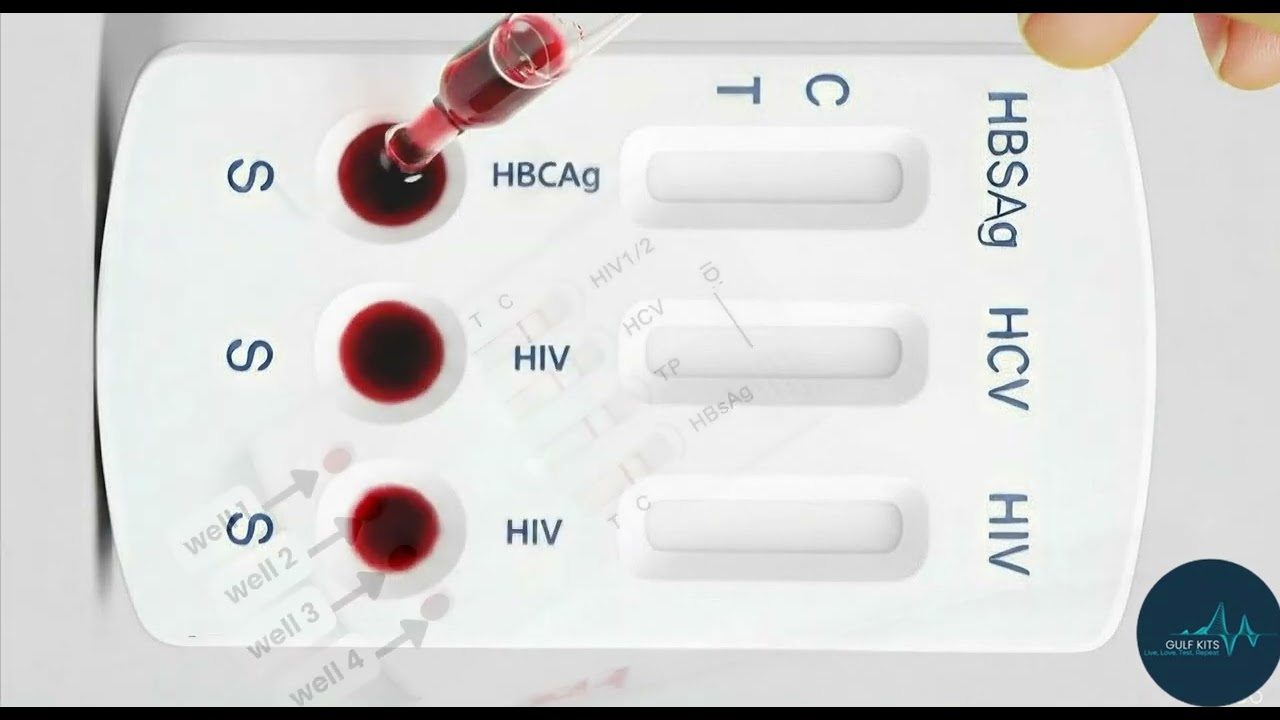
Blood tests detect HSV antibodies, while PCR swab tests detect the virus directly from active lesions.
📹 Video: How to Use an At-Home STD Test Kit
▶ Watch: How to Use an At-Home STD Test Kit — Opens on YouTube
Fingerprick Mail-In (IgG Blood)
✓ No clinic visit required
✓ Type-specific HSV-1 & HSV-2
✓ Results in 3–5 business days
⚠ Not for active outbreaks
⚠ Requires 12–16 week window
Best for: Peace of mind check, no current symptoms, past potential exposure
🧪
Option B
At-Home Swab + Mail-In PCR
Lesion Swab — PCR (Viral Detection)
✓ Most accurate method
✓ Identifies HSV-1 vs HSV-2
✓ Works with active sore
⚠ Must have active lesion
⚠ Limited availability
Best for: Active outbreak right now, confirming type, swab during symptoms
🏩
Option C
Lab Draw Site (No Doctor)
Order Online → Visit Local Lab
✓ Order online, no prescription
✓ Quick turnaround (1–2 days)
✓ Full venous blood draw (more accurate)
⚠ Requires a short lab visit
⚠ Cost varies widely
Best for: Most accurate blood result without a doctor appointment
Comparison based on typical 2026 at-home testing service offerings. Always verify current options with providers.
Best At-Home Herpes Testing Options (Practical Shortlist)
Below are common "2026-style" pathways people use. Some are true home collection (mail-in fingerprick or swab). Others are direct-to-consumer lab orders (you go to a Labcorp/Quest location, no doctor visit needed).
Useful if you want a PCR-style answer from a home swab workflow.
Option C: "No doctor visit" lab testing (you go to a local lab draw site)
If you want a mainstream lab's assay and logistics (and you're fine going in-person for a blood draw):
Labcorp OnDemand – Herpes antibody test (HSV-1 & HSV-2 IgG)
Direct purchase; lists HSV-1 & HSV-2 IgG and shows a consumer price (e.g., $149 on the product page)
Quest Health – HSV-1 & HSV-2 test
Direct-to-consumer ordering for HSV-1/HSV-2
Quest also discusses confirmatory pathways (e.g., inhibition assay) when HSV-2 IgG results are low/ambiguous.
How to Choose the Right Test (Quick Decision Guide)
If you have a sore/ulcer/blister today:
Choose a swab PCR option (home swab PCR or a clinic swab). This is typically the most direct way to confirm what's causing that lesion.
If you don't have symptoms but want to know your status:
Choose a type-specific IgG blood test (ideally HSV-1 and HSV-2). If the exposure was recent, consider waiting and/or retesting—CDC notes repeating at ~12 weeks after suspected acquisition can be appropriate.
If you receive a low-positive HSV-2 IgG result:
Don't panic. This is where false positives are common. CDC recommends confirmatory testing with a second method (e.g., Biokit or Western blot) for low index values. The FDA similarly warns false reactive results can occur, especially in low-risk people or near cutoff values.
Advantages of At-Home Testing
Convenience (no scheduling a clinic visit)
Privacy
Results usually within days (varies by service)
Often affordable compared with some in-office pathways
Some options don't require a traditional doctor appointment to order
Important Considerations (Read This Before You Buy)
1) Timing after exposure is everything
Blood tests detect antibodies, not the virus itself. Testing too early can miss infection; CDC discusses repeating type-specific testing at ~12 weeks when recent acquisition is suspected.
2) HSV blood tests can't tell you where you have it
An HSV-1 positive blood test doesn't tell you whether it's oral vs genital—only that you've been exposed at some point.
3) Low-positive HSV-2 results deserve confirmation
This is the biggest "gotcha" in herpes testing in 2026. CDC explicitly highlights false positives at low index values and recommends confirmation with a second method.
4) Routine screening isn't universally recommended
CDC focuses testing on people with symptoms, and USPSTF recommends against routine serologic screening in asymptomatic adolescents/adults. So a good reason to test is usually: symptoms, a partner with known HSV, or a specific clinical question—not "just because."
What to Do With Your Results
Positive swab PCR: strongly suggests HSV is present at that site; discuss treatment options and transmission reduction with a clinician.
Negative swab PCR but symptoms persist: consider re-swabbing early in the next outbreak or discussing alternate causes.
Positive HSV-2 IgG (especially low-positive): consider confirmatory testing (second method) before you emotionally "cement" the diagnosis.
Positive HSV-1 IgG: extremely common; interpret in context of symptoms and history.
Want to understand your personal risk? Use our HSV-1 calculator or HSV-2 calculator to explore scenarios based on your actual situation.
Check Your Risk
Use our evidence-based calculators to estimate your personal herpes risk.